


First biofluorescent reptile
Last updated: June 12, 2018 at 13:21 pm
Hawksbill turtle (Eretmochelys imbricata) — In September 2015, scientists reported observing biofluorescence in a reptile for the first time when the shell of a hawksbill turtle glowed neon green and red when exposed to blue light off the Solomon Islands. Further experimenting revealed that the loggerhead turtle also fluoresces green. Unlike bioluminescence, which is the production and emission of light by a living organism, biofluorescence is the emission of light by a living organism that has absorbed light or other electromagnetic radiation. The emitted light has lower energy, and thus a longer wavelength than the absorbed light or radiation, which makes it difficult to see. When the absorbed radiation is in the ultraviolet region of the spectrum, it is invisible to the human eye, and can only be seen when exposed to UV light. A 2014 study revealed that there are also at least 180 species of biofluorescent fishes.

David Gruber | City University of New York
Sparks JS, Schelly RC, Smith WL, Davis MP, Tchernov D, Pieribone VA, et al. (2014) The Covert World of Fish Biofluorescence: A Phylogenetically Widespread and Phenotypically Variable Phenomenon. PLoS ONE 9(1): e83259. https://doi.org/10.1371/journal.pone.0083259


Please note that comments are moderated: (1) Stay on topic (2) Be respectful (3) Refrain from vulgarity and abusive language (4) Do not make personal complaints about a person’s character, business, work or associations (5) Do not publish materials that violate copyright. OFFENDING COMMENTS WILL BE DELETED.
If you have claim to a diving or underwater record or first, if you know of a significant first or record not listed here, or if you can demonstrate that any of the information on this website is false or outdated, please complete the form on the record submission page.


In order to ensure your browsing experience is as enjoyable as possible, banners are kept to an absolute minimum, which means that advertising revenues alone cannot sustain this 100% FREE publication. Researching and updating the Diving Almanac requires a lot of time and dedication. If you believe the diving community needs a central body of information to record, validate and make available our shared history and accomplishments, please show your support by making a contribution to the Diving Almanac via PayPal (Porbeagle Press). Thank you!

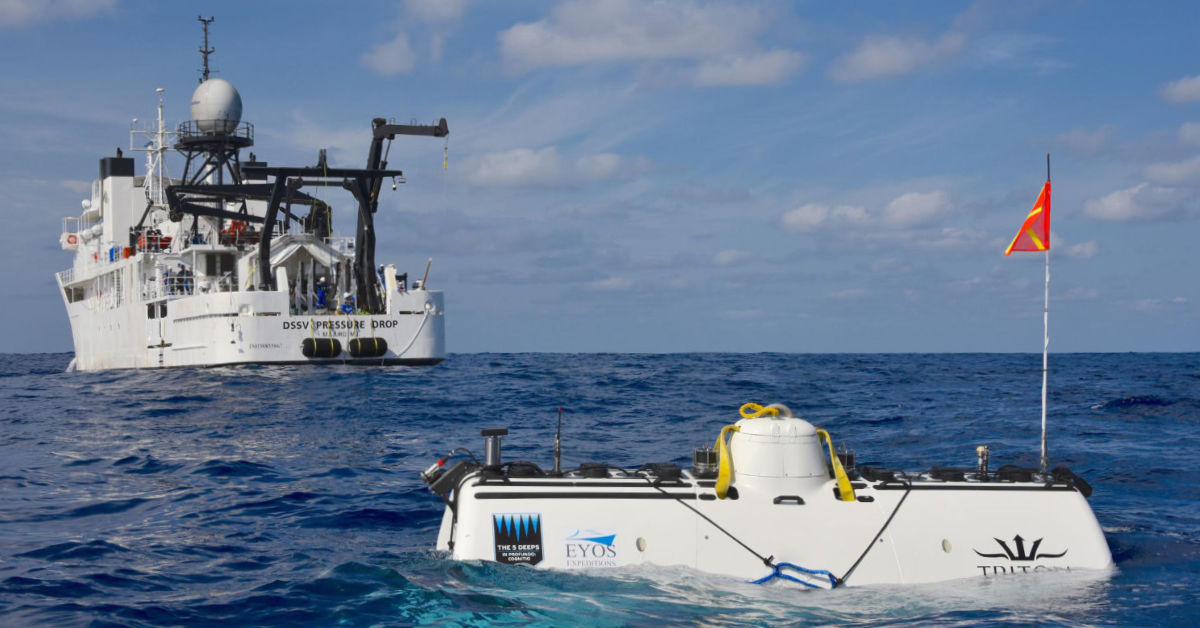
First to dive the Five Deeps
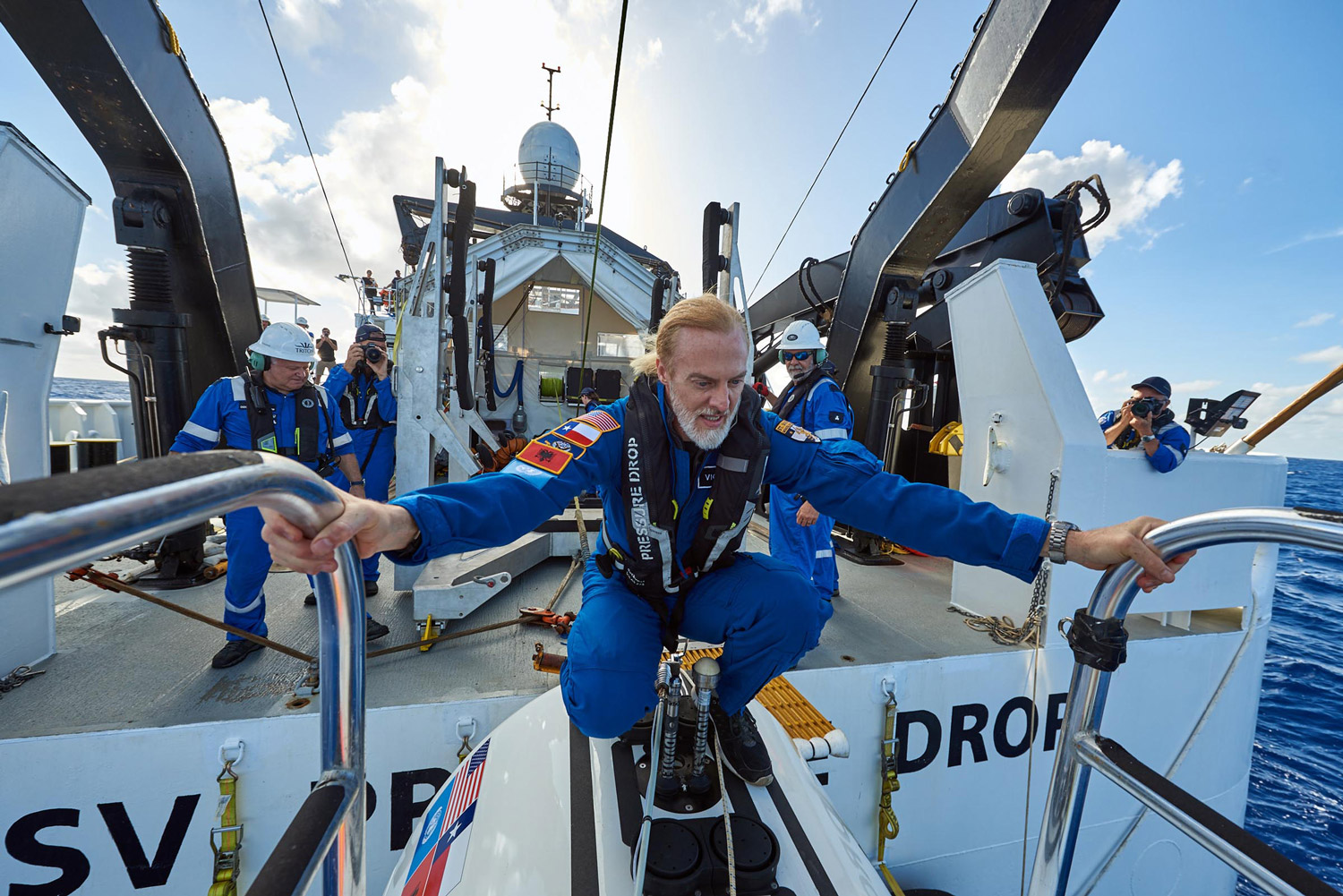
Deepest submersible dive (Solo | Men)

Deepest fish (Observed)

Deepest diving submersible (In service)
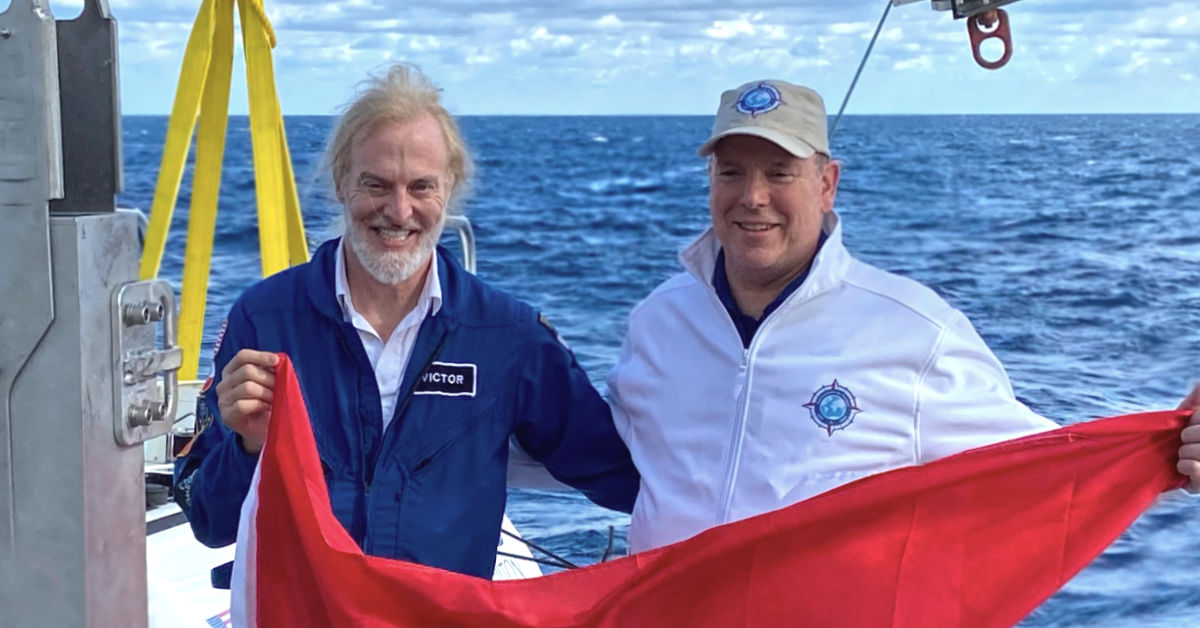
Deepest dive by a head of state
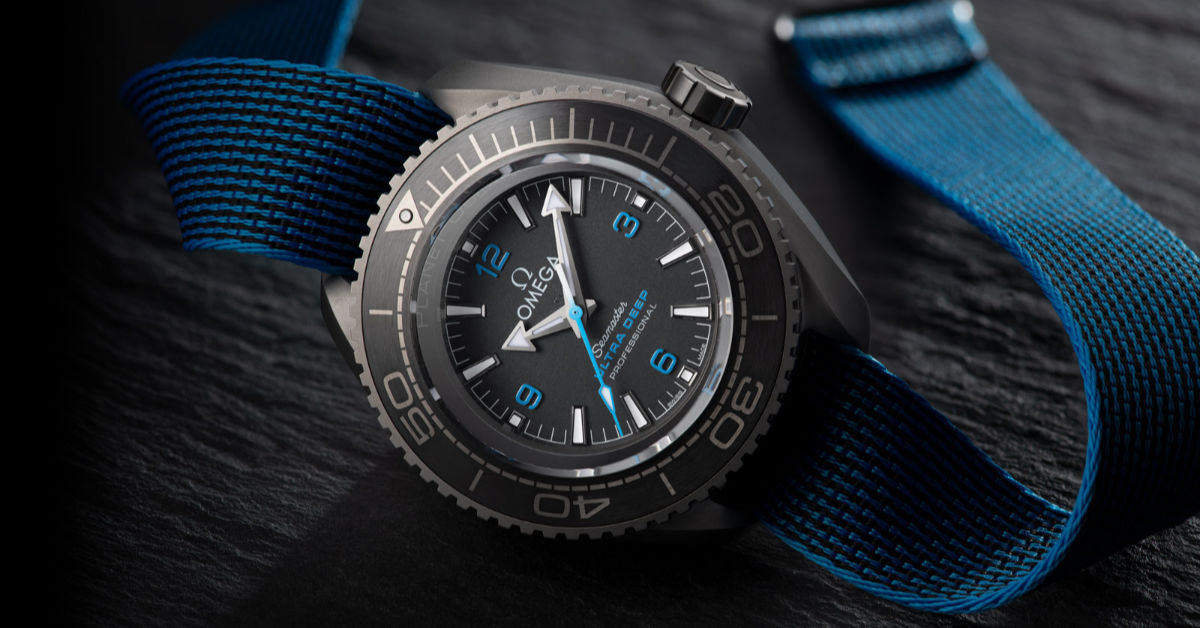
Deepest watch (Prototype)

Deepest point in Earth’s oceans
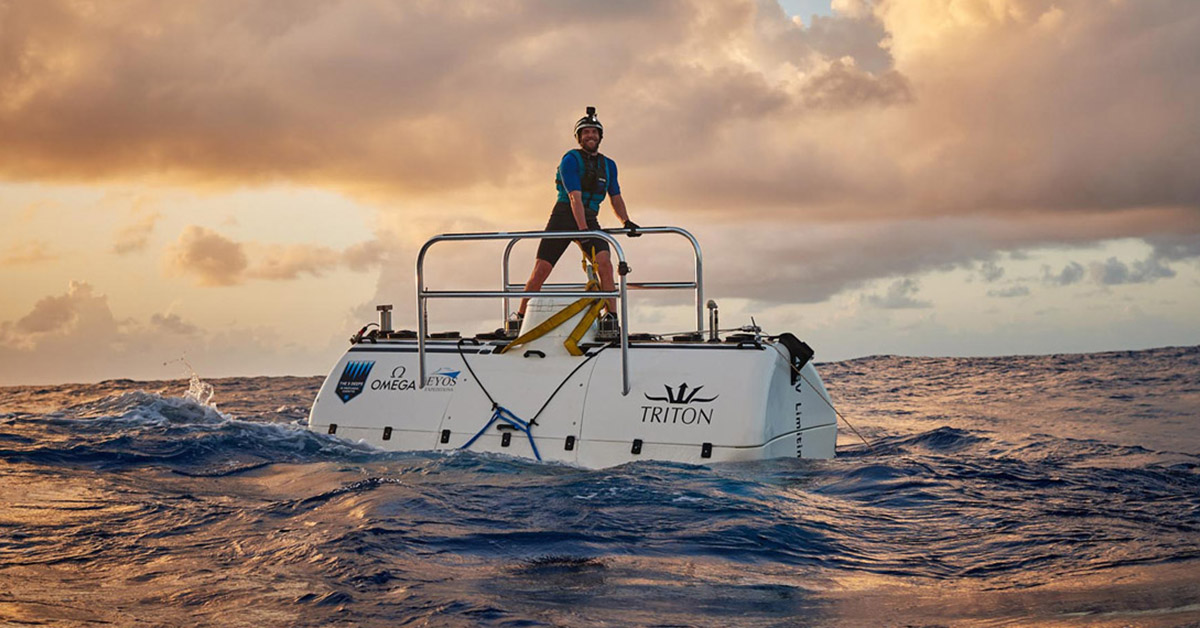
Deepest submersible dive (Ocean)

Oldest diver (Men)
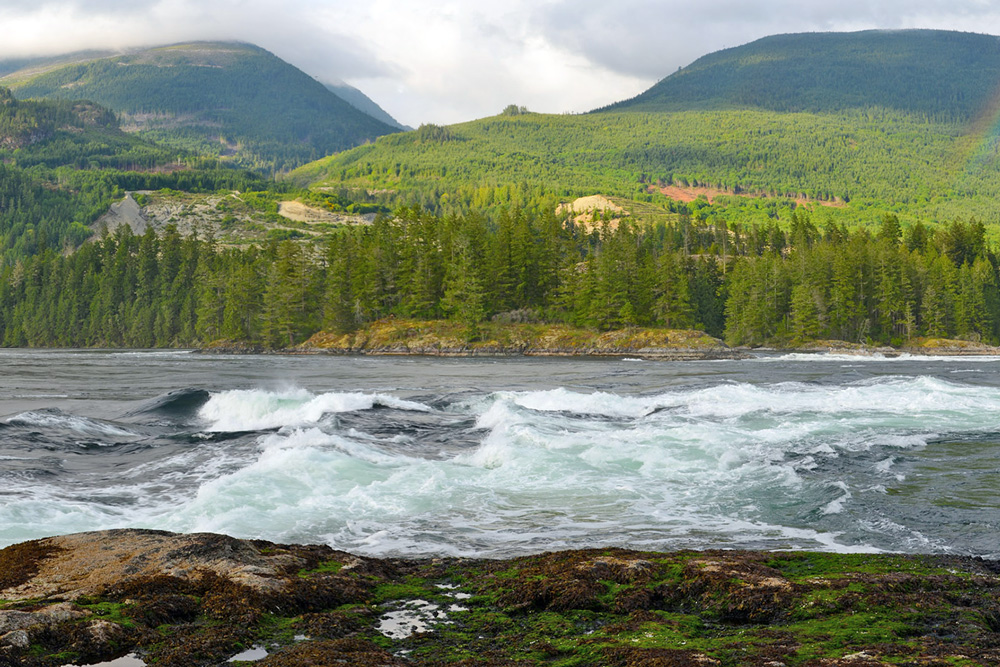
Fastest drift dive

Largest jellyfish

Deepest octopus

First documented case of hydrogen psychosis

Clearest water

First underwater colony

Most fin patents

Largest glacier calving ever filmed

First aquanaut (Men)

Longest migration (Shark)

Oldest active scuba club


Jeffrey Gallant is the Editor-in-Chief and Records Keeper of the Diving Almanac. He is also a contributing editor of DIVER Magazine, and the scientific director of the Greenland Shark and Elasmobranch Education and Research Group (GEERG). Jeffrey started diving in 1982.
