


First robotic diver
Last updated: February 10, 2019 at 19:03 pm
OceanOne (2016), a humanoid robotic diver from Stanford University, is powered by artificial intelligence and haptic feedback systems. Haptic or kinesthetic communication recreates the sense of touch by applying forces, vibrations, or motions to the user.¹ OceanOne was used to explore and to recover artifacts from the wreck of Louis XIV’s flagship La Lune, which sank to a depth of 100 m off the southern coast of France in 1664.
With guidance from a team of skilled deep-sea archaeologists who had studied the site, Oussama Khatib, a professor of computer science at Stanford, spotted a grapefruit-size vase. He hovered precisely over the vase, reached out, felt its contours and weight, and stuck a finger inside to get a good grip. He swam over to a recovery basket, gently laid down the vase and shut the lid. Then he stood up and high-fived the dozen archaeologists and engineers who had been crowded around him. This entire time Khatib had been sitting comfortably in a boat, using a set of joysticks to control OceanOne, a humanoid diving robot outfitted with human vision, haptic force feedback and an artificial brain – in essence, a virtual diver. — Bjorn Carey | Stanford News Service (April 27, 2016)

Stanford University News Service
¹ Haptic technology. (n.d.). In Wikipedia. Retrieved December 5, 2017, from https://en.wikipedia.org/wiki/Haptic_technology


Please note that comments are moderated: (1) Stay on topic (2) Be respectful (3) Refrain from vulgarity and abusive language (4) Do not make personal complaints about a person’s character, business, work or associations (5) Do not publish materials that violate copyright. OFFENDING COMMENTS WILL BE DELETED.
If you have claim to a diving or underwater record or first, if you know of a significant first or record not listed here, or if you can demonstrate that any of the information on this website is false or outdated, please complete the form on the record submission page.


In order to ensure your browsing experience is as enjoyable as possible, banners are kept to an absolute minimum, which means that advertising revenues alone cannot sustain this 100% FREE publication. Researching and updating the Diving Almanac requires a lot of time and dedication. If you believe the diving community needs a central body of information to record, validate and make available our shared history and accomplishments, please show your support by making a contribution to the Diving Almanac via PayPal (Porbeagle Press). Thank you!

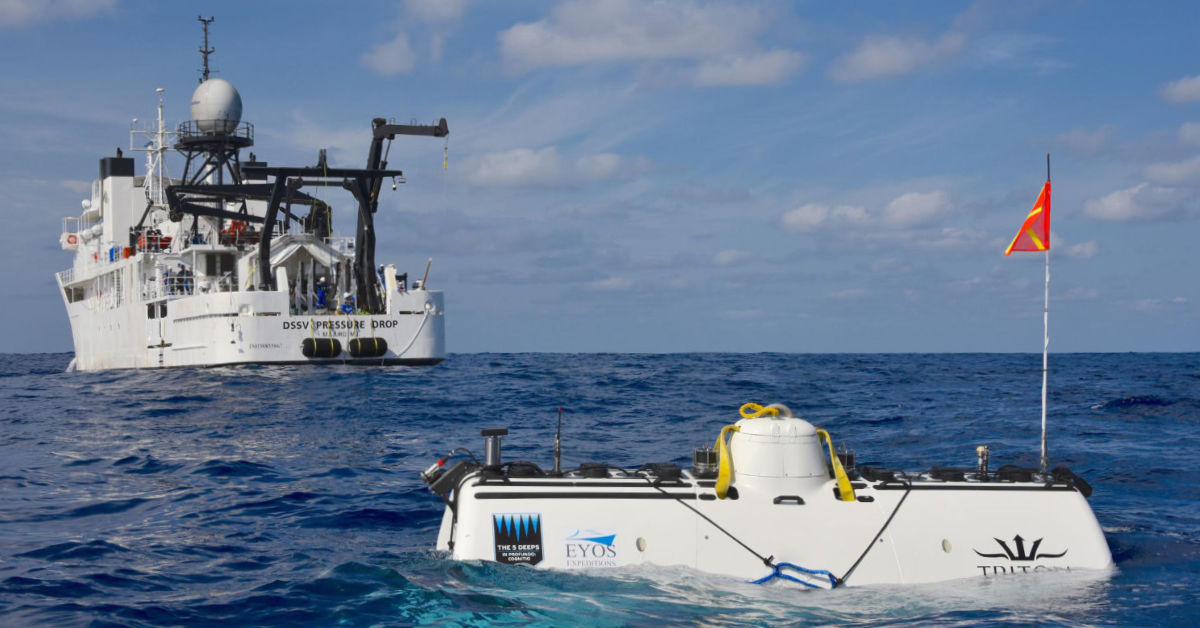
First to dive the Five Deeps
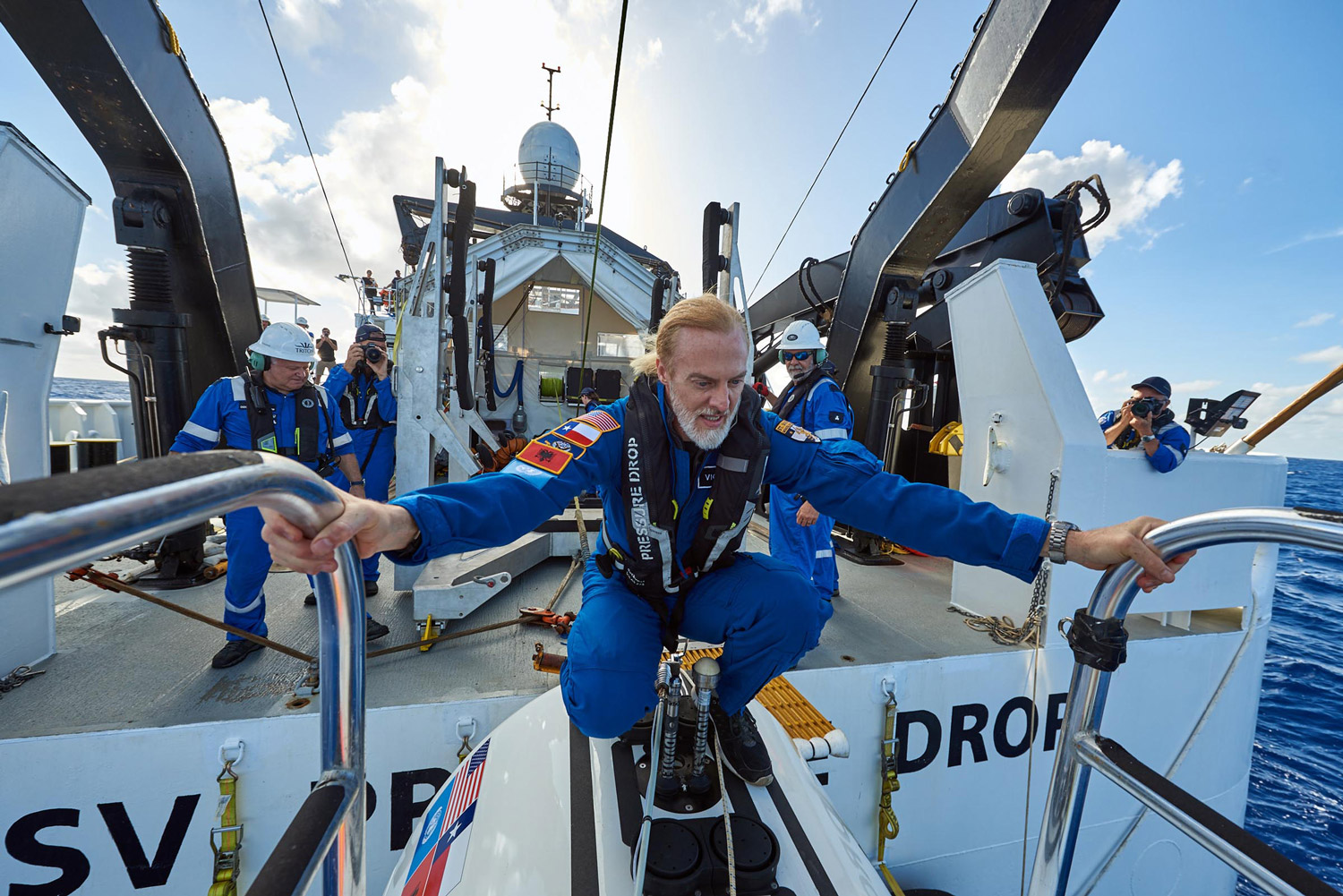
Deepest submersible dive (Solo | Men)

Deepest fish (Observed)
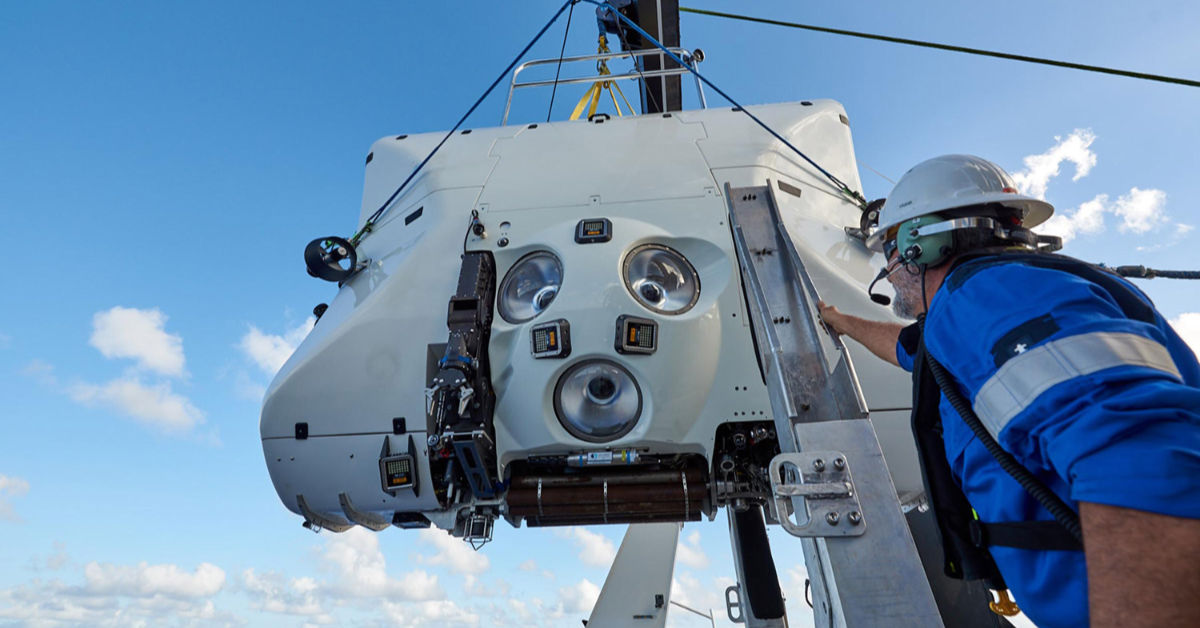
Deepest diving submersible (In service)
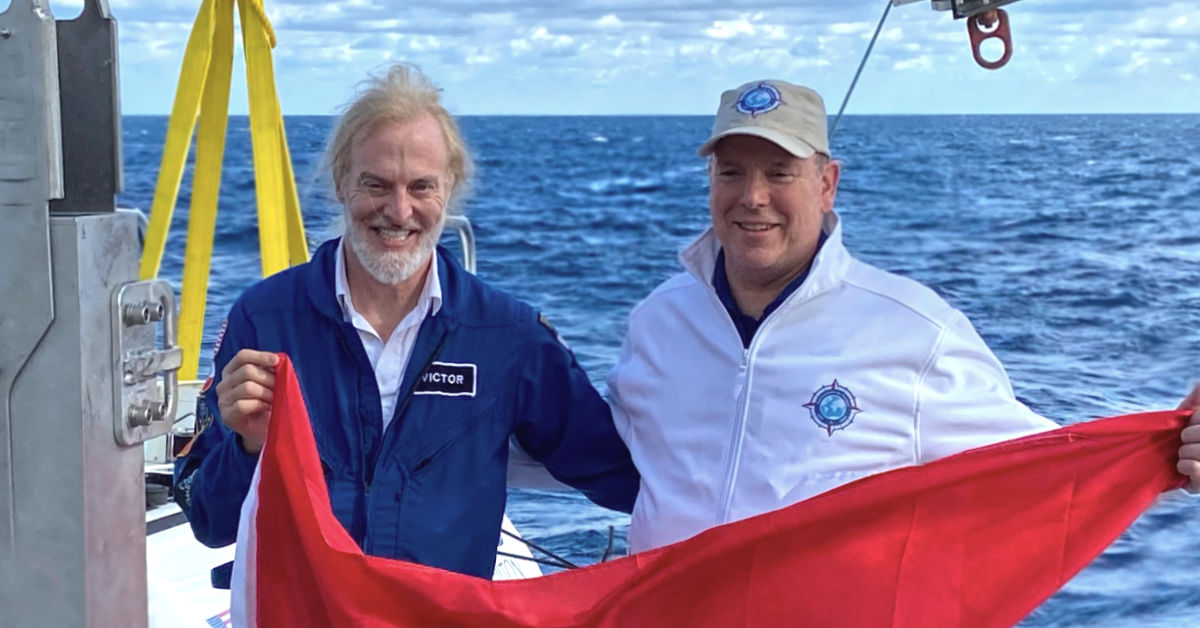
Deepest dive by a head of state
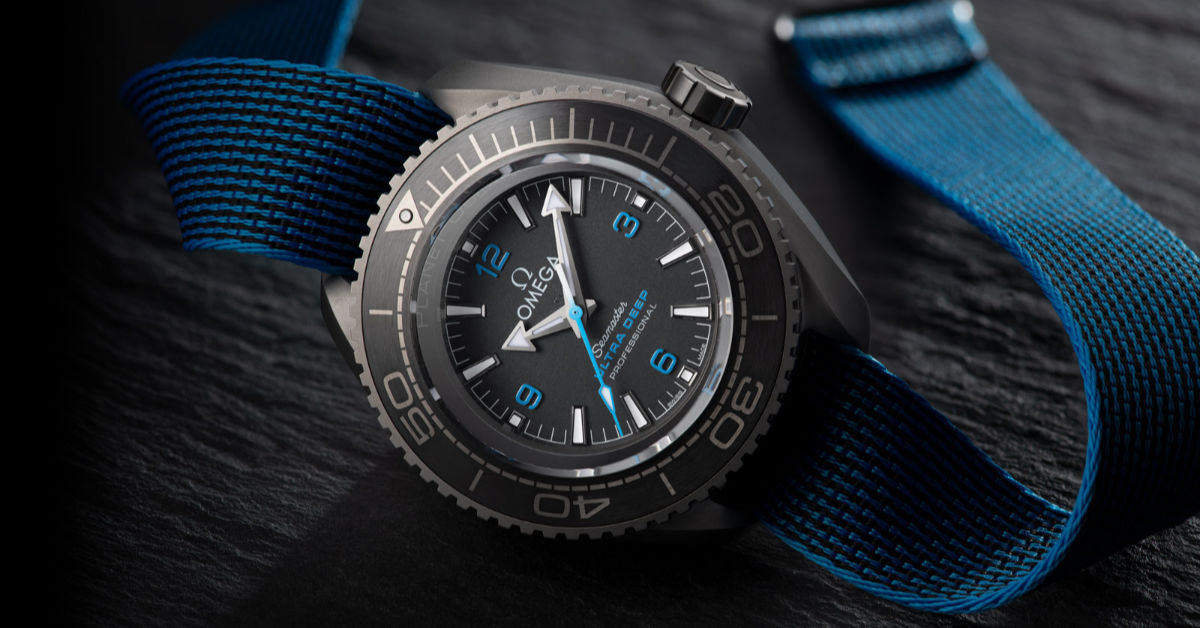
Deepest watch (Prototype)

Deepest point in Earth’s oceans
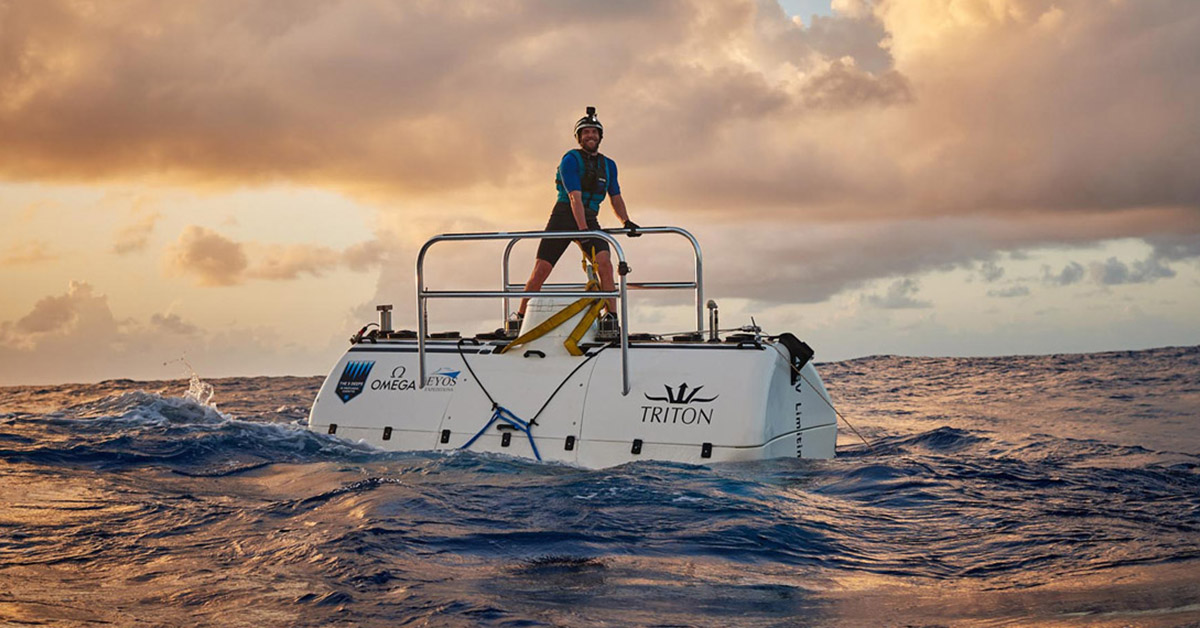
Deepest submersible dive (Ocean)

Oldest diver (Men)
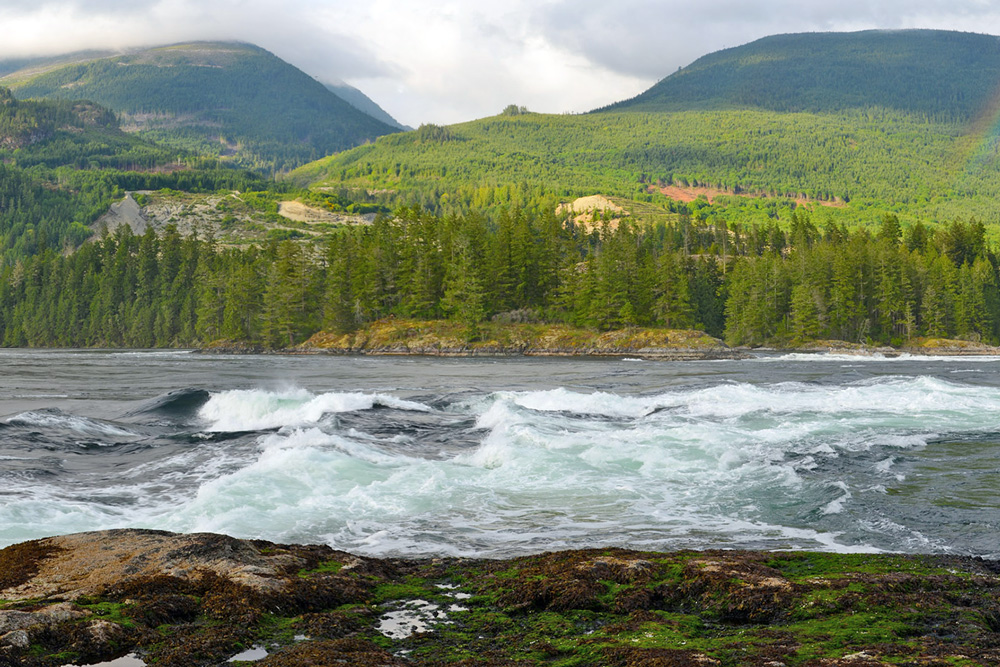
Fastest drift dive

Largest jellyfish

Deepest octopus

First documented case of hydrogen psychosis

Clearest water

First underwater colony

Most fin patents

Largest glacier calving ever filmed

First aquanaut (Men)

Longest migration (Shark)

Oldest active scuba club


Jeffrey Gallant is the Editor-in-Chief and Records Keeper of the Diving Almanac. He is also a contributing editor of DIVER Magazine, and the scientific director of the Greenland Shark and Elasmobranch Education and Research Group (GEERG). Jeffrey started diving in 1982.
