


Slowest fish
Last updated: March 30, 2020 at 2:51 am
Dwarf seahorse (Hippocampus zosterae) — 152 cm per hour (0.001 km/h) or 60 in. per hour (0.0009 mph). Size: 4.2 cm (1.7 in). The dwarf seahorse swims in an upright position using its dorsal fin to propel itself forward and its pectoral fins to steer.
The Greenland shark is not the world’s slowest shark… or fish.
Editorial by Jeffrey Gallant, Scientific Director of the Greenland Shark & Elasmobranch Education & Research Group
The Greenland shark, Somniosus microcephalus, which is the oldest marine vertebrate, is also one of the slowest swimming sharks in the world. In fact, we have often observed Greenland sharks practically hovering over the bottom, almost immobile, but how slow is it really?
Based on our hundreds of visual observations of free-swimming Greenland sharks, and having carefully analyzed hours of video images as well as several months of telemetry data, we have determined that the average swimming speed of the Greenland shark in the St. Lawrence Estuary is 0.3 metres per second, or 1.08 km/h (0.67 mph)¹.
We have also observed burst speeds up to 1 metre per second, or 3.6 km/h (2.2 mph), during tagging operations by scuba divers on unrestrained Greenland sharks. A published top speed of 0.7 m/s (1.7 mph)² for this species was measured under normal circumstances when the sharks tagged with accelerometers weren’t being stung by divers equipped with spears. And although at times it does take “seven seconds for a single full tail sweep to propel the shark forward,” this does not apply to a Greenland shark’s average swimming speed as is clearly demonstrated in the video section below.
The Greenland shark is by no means a race car, but there have been many occasions when physical overexertion has prevented us from keeping pace with one for more than 1-2 minutes while scuba diving. Unless the Greenland shark is only compared to other shark species or fish of the same size, and for all of the reasons stated above, we thus do not believe that it is the world’s slowest shark, let alone the world’s slowest fish.
As for other species vying for the title of the world’s slowest shark—and discounting burst speeds—a study³ demonstrated that Pacific angel sharks Squatina californica, covered distances of no more than 30 to 75 km (19 to 47 miles) over a period of three months, or at most 7.3 km (4.5 miles) in a single night, while one Greenland shark tagged by GEERG in 2005 covered 26 km (16 miles) in just 29 hours¹. Both species use their spiracles* to assist with breathing and both species have exhibited site fidelity (philopatry) over a period of months, or even years. Granted, angel sharks don’t migrate and they aren’t the most active swimmers so it may be an unfair comparison. So what about the other sleeper sharks and deep-sea dogfishes such as the dwarf lanternshark and gulper sharks? Any one of them could win—or should it be lose?—by a snout!
Until recently, few people in the entertainment industry or in the media have shown interest for the allegedly characterless Greenland shark. In the absence of definitive proof or a clear scientific definition, the title of ‘World’s Slowest Shark’ may therefore be an attempt at attracting media attention to this much overlooked species. Scientific rigour precludes us from making such a bold statement.
¹Gallant, Jeffrey J., Marco A. Rodríguez, Michael J. W. Stokesbury, and Chris Harvey-Clark. (2016). Influence of environmental variables on the diel movements of the Greenland Shark (Somniosus microcephalus) in the St. Lawrence Estuary. Canadian Field-Naturalist 130(1): 1-14.
²Watanabe, Y. Y., Lydersen, C., Fisk, A. T., and Kovacs, K. M. (2012). The slowest fish: Swim speed and tail-beat frequency of Greenland sharks. Journal of Experimental Marine Biology and Ecology 426–427: 5-11.
³Fouts, W.R. & Nelson, D.R. (May 7, 1999). “Prey Capture by the Pacific Angel Shark, Squatina californica: Visually Mediated Strikes and Ambush-Site Characteristics”. Copeia. American Society of Ichthyologists and Herpetologists. 1999(2): 304–312.
* Unlike the many shark species that must constantly swim to force oxygen through their gill openings, some sharks can remain motionless for long periods while they use their spiracles to extract oxygen from the water. Among these, the Greenland shark has unusually large spiracles that allow it to take in oxygen while swimming at reduced speed either to hunt by stealth or to conserve energy in its near-freezing environment.

Fouts, W.R. & Nelson, D.R. (May 7, 1999). “Prey Capture by the Pacific Angel Shark, Squatina californica: Visually Mediated Strikes and Ambush-Site Characteristics”. Copeia. American Society of Ichthyologists and Herpetologists. 1999(2): 304–312.
Gallant, Jeffrey J., Marco A. Rodríguez, Michael J. W. Stokesbury, and Chris Harvey-Clark. 2016. Influence of environmental variables on the diel movements of the Greenland Shark (Somniosus microcephalus) in the St. Lawrence Estuary. Canadian Field-Naturalist 130(1): 1-14.
Guinness Book of World Records
Victoria Gill. (22 June 2012). Slowest Greenland shark hunts sleeping prey. BBC Nature
Watanabe, Y. Y., Lydersen, C., Fisk, A. T., and Kovacs, K. M. (2012). The slowest fish: Swim speed and tail-beat frequency of Greenland sharks. Journal of Experimental Marine Biology and Ecology 426–427: 5-11.


Please note that comments are moderated: (1) Stay on topic (2) Be respectful (3) Refrain from vulgarity and abusive language (4) Do not make personal complaints about a person’s character, business, work or associations (5) Do not publish materials that violate copyright. OFFENDING COMMENTS WILL BE DELETED.
If you have claim to a diving or underwater record or first, if you know of a significant first or record not listed here, or if you can demonstrate that any of the information on this website is false or outdated, please complete the form on the record submission page.


In order to ensure your browsing experience is as enjoyable as possible, banners are kept to an absolute minimum, which means that advertising revenues alone cannot sustain this 100% FREE publication. Researching and updating the Diving Almanac requires a lot of time and dedication. If you believe the diving community needs a central body of information to record, validate and make available our shared history and accomplishments, please show your support by making a contribution to the Diving Almanac via PayPal (Porbeagle Press). Thank you!

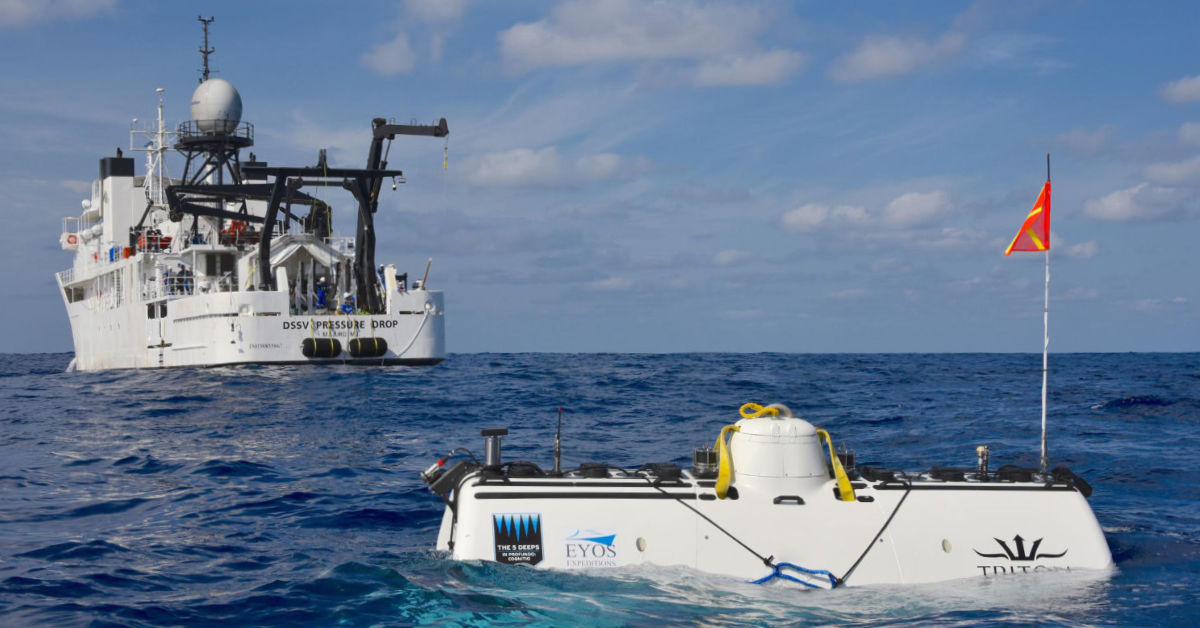
First to dive the Five Deeps
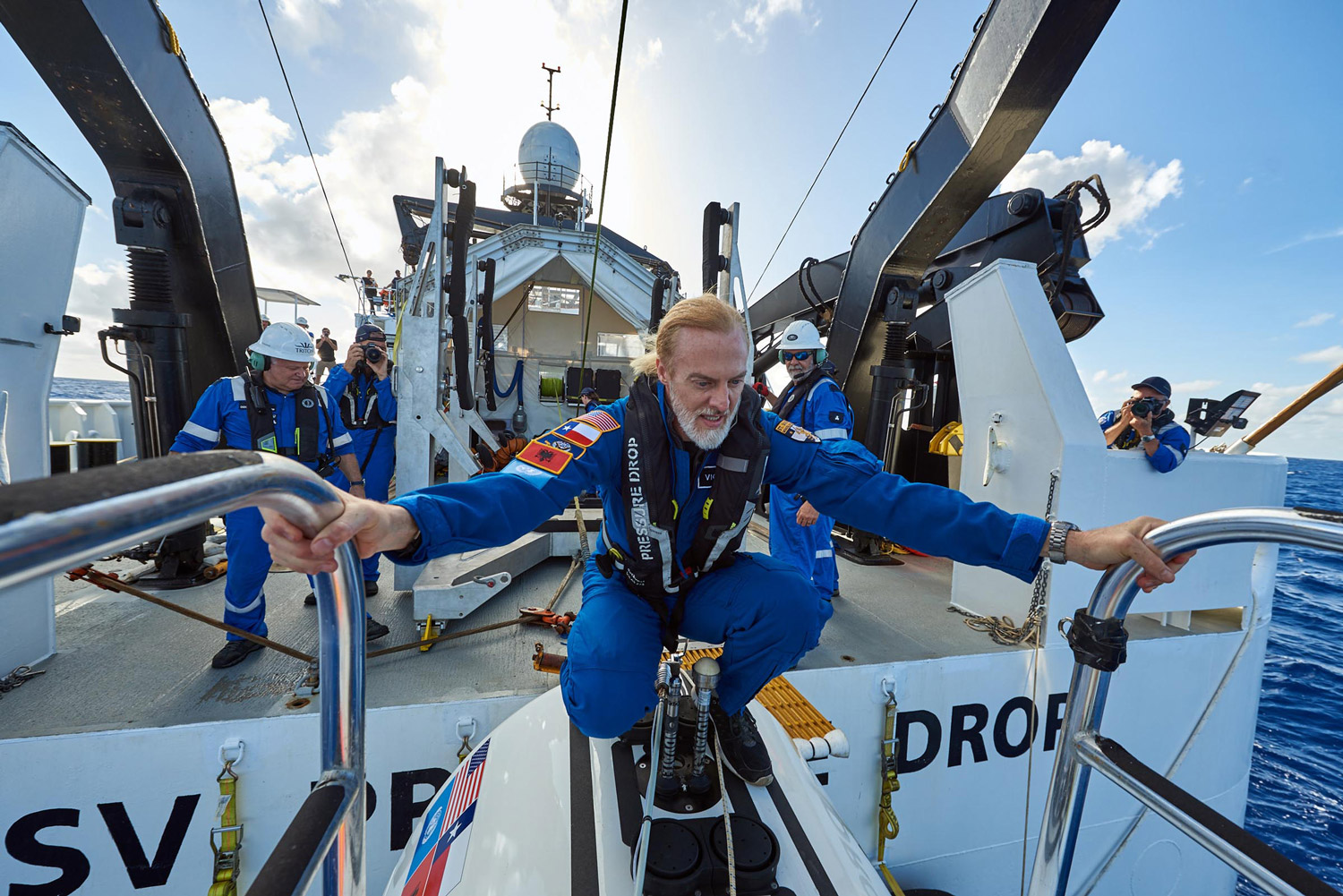
Deepest submersible dive (Solo | Men)

Deepest fish (Observed)
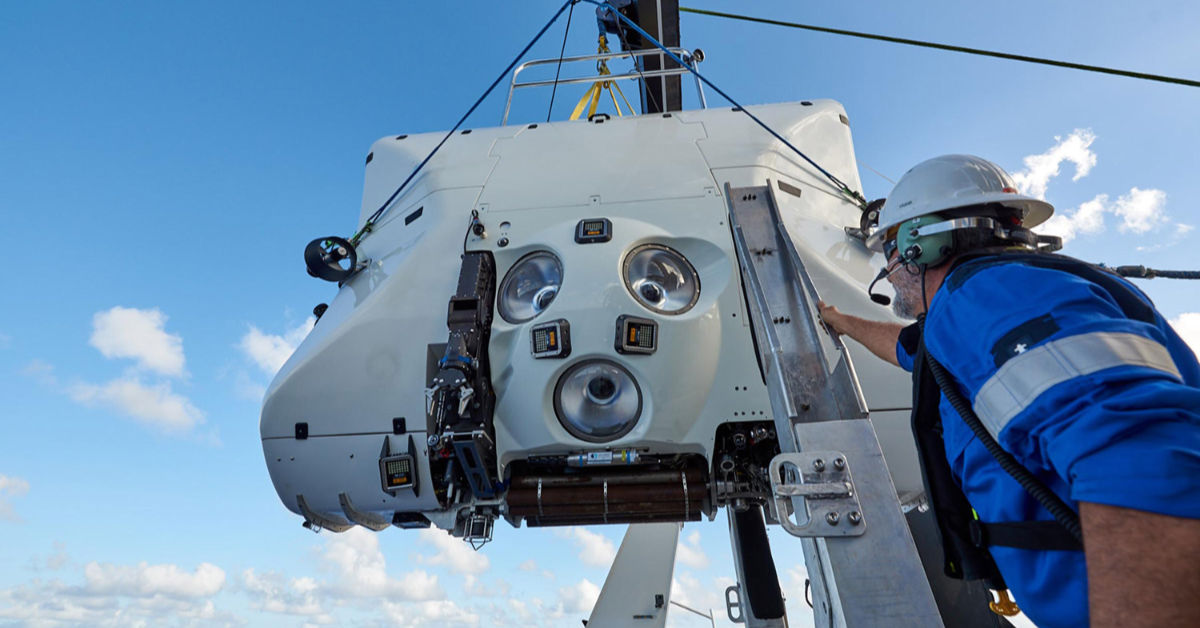
Deepest diving submersible (In service)
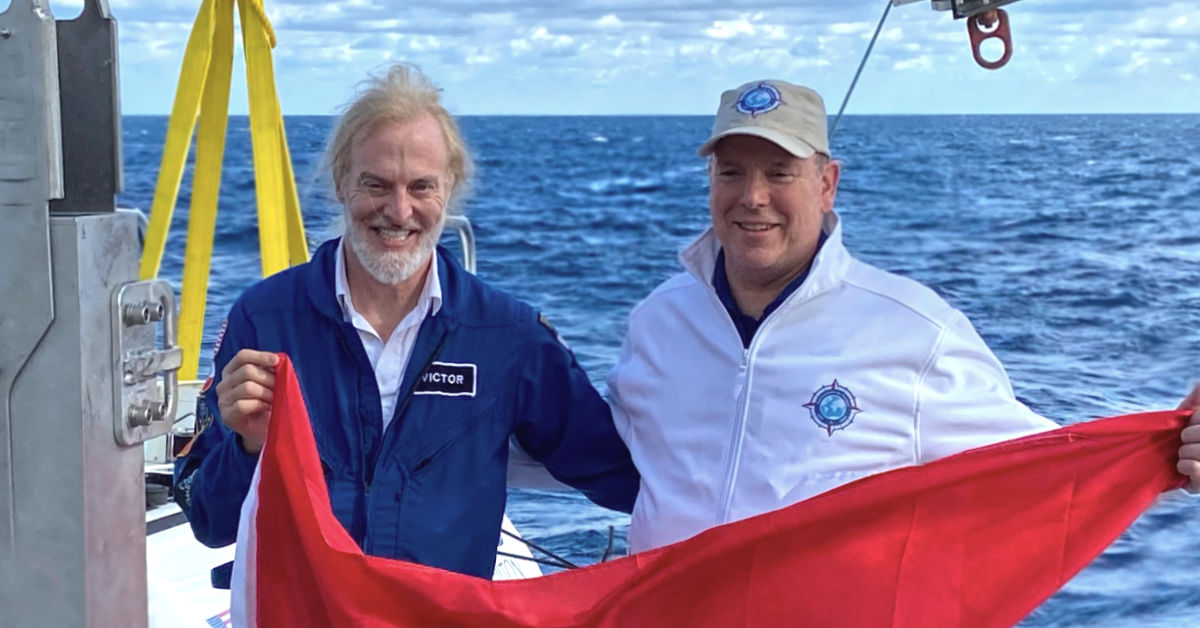
Deepest dive by a head of state
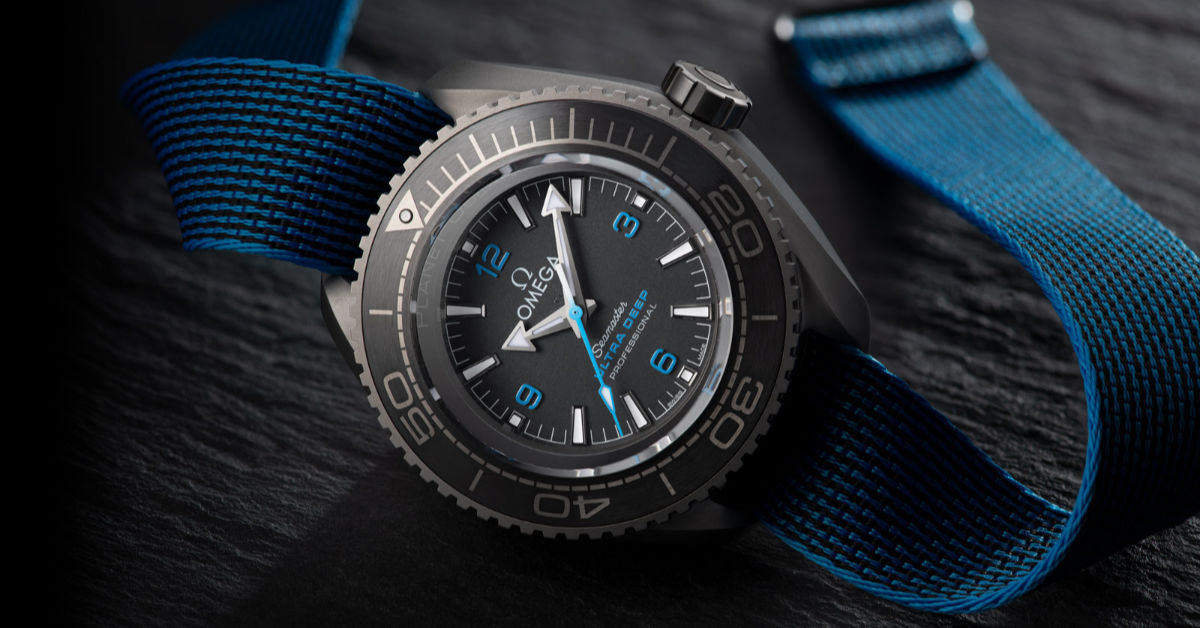
Deepest watch (Prototype)

Deepest point in Earth’s oceans
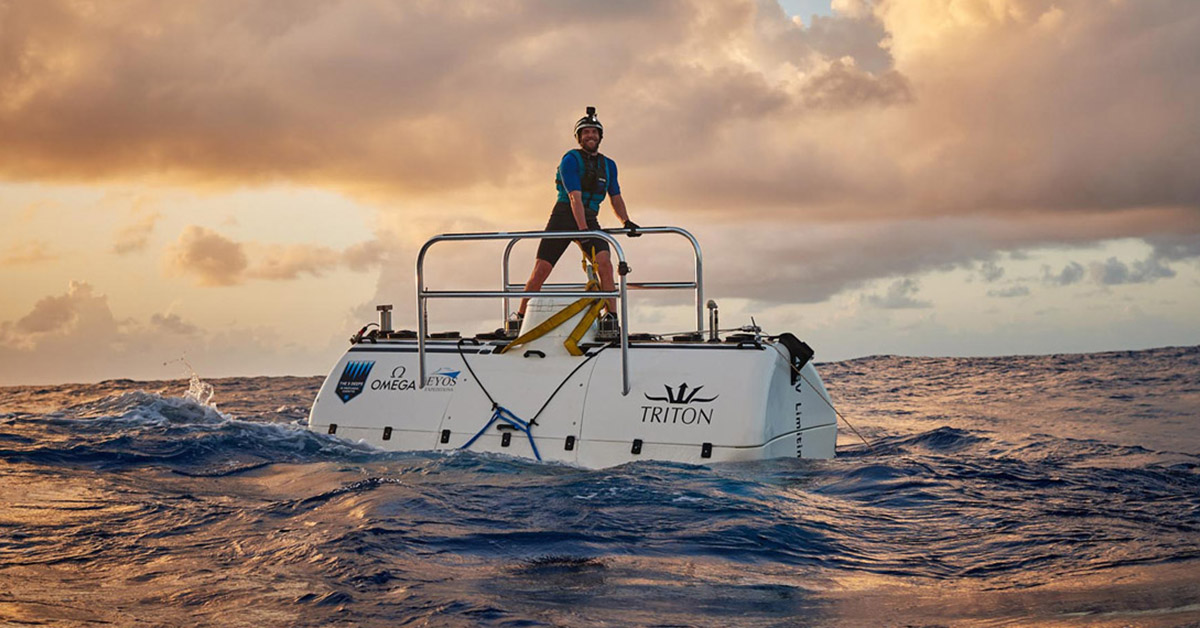
Deepest submersible dive (Ocean)

Oldest diver (Men)
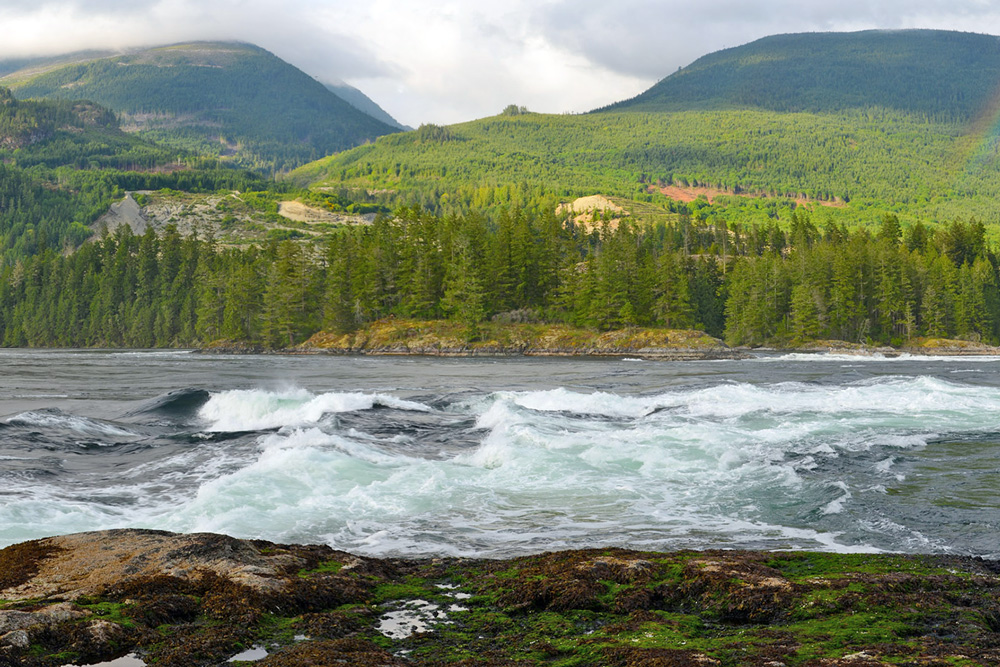
Fastest drift dive

Largest jellyfish

Deepest octopus

First documented case of hydrogen psychosis

Clearest water

First underwater colony

Most fin patents

Largest glacier calving ever filmed

First aquanaut (Men)

Longest migration (Shark)

Oldest active scuba club


Jeffrey Gallant is the Editor-in-Chief and Records Keeper of the Diving Almanac. He is also a contributing editor of DIVER Magazine, and the scientific director of the Greenland Shark and Elasmobranch Education and Research Group (GEERG). Jeffrey started diving in 1982.
