

Most radioactive dive site
Last updated: February 8, 2020 at 4:57 am
Bikini Atoll (Marshall Islands) — The sunken fleet of Bikini Atoll tops the bucket list of many tech divers and yet the idyllic lagoon still harbours a hidden and sinister threat born out of a cataclysmic demonstration of power at the very start of the Cold War. The most radioactive dive site accessible to recreational divers was opened in 1996, 38 years after the site was blasted with 23 nuclear bomb tests, including the Baker (20 Kt) underwater explosion, and the Castle Bravo¹ thermonuclear bomb, which was the most powerful device (15 Mt) ever detonated in the atmosphere by the United States. At the time of the first tests in 1946, the assemblage of American and enemy target vessels formed the world’s fourth largest fleet, including the aircraft carrier USS Saratoga, and the battleships USS Arkansas and IJN Nagato (Japan). The ships sunk in 1946 now belong to the people of Bikini. Diving at Bikini is administered by the Bikini Atoll Council, under the name of Bikini Atoll Divers. In 2008, the Kili/Bikini/Ejit Local Government Council decided that Bikini Atoll would remain indefinitely closed for normal tourism operations starting in 2009. However, certain types of self-sufficient² vessels are still allowed to visit Bikini Atoll and dive on the wrecks provided definitive prior arrangements are made with Bikini Atoll Divers. They must be accompanied by a paid Bikinian diver and two local government council representatives to ensure no artifacts are removed from the wrecks.
“To allow vessels with a larger draft to enter the lagoon and to prepare for the atomic bomb testing, the United States used explosives to cut a channel through the reef and to blow up large coral heads in the lagoon. The underwater nuclear explosions carved large holes in the bottom of the lagoon that were partially refilled by blast debris. The explosions distributed vast amounts of irradiated, pulverized coral and mud across wide expanses of the lagoon and surrounding islands. As of 2008, the atoll had recovered nearly 65% of the biodiversity that existed prior to radioactive contamination, but 28 species of coral appear to be locally extinct.”³
Bikini is known as Pikinni (coconut place) by the Marshallese people. It was named a UNESCO World Heritage Site on 3 August 2010.
Bikini Atoll has conserved direct tangible evidence … conveying the power of … nuclear tests, i.e. the sunken ships sent to the bottom of the lagoon by the tests in 1946 and the gigantic Bravo crater. Equivalent to 7,000 times the force of the Hiroshima bomb, the tests had major consequences on the geology and natural environment of Bikini Atoll and on the health of those who were exposed to radiation. Through its history, the atoll symbolises the dawn of the nuclear age, despite its paradoxical image of peace and of earthly paradise. — World Heritage Committee (August 3, 2010)
¹ The size of the Castle Bravo test on March 1, 1954, far exceeded expectations, causing widespread radioactive contamination. The fallout spread traces of radioactive material as far as Australia, India and Japan, and even the United States and parts of Europe. Though organized as a secret test, Castle Bravo quickly became an international incident, prompting calls for a ban on the atmospheric testing of thermonuclear devices.³
² These vessels or yachts must be completely self-contained, and must include: adequate international communications equipment; housing, dining facilities, and supplies (all food, water, medical equipment, etc.); all equipment needed to fill tanks and take care of divers, including any nitrox, oxygen or specialized medical equipment; preferably have a helicopter for medical evacuation purposes.
³ Bikini Atoll, https://en.wikipedia.org/wiki/Bikini_Atoll (last visited Mar. 1, 2018).

Zoe T. Richards, Maria Beger, Silvia Pinca, and Carden C. Wallace (2008). Bikini Atoll coral biodiversity resilience five decades after nuclear testing. Marine Pollution Bulletin. 56 (3): 503–515.
Bikini Atoll Local Government. February 15, 2012. Bikini Atoll remains open for tourism.


Please note that comments are moderated: (1) Stay on topic (2) Be respectful (3) Refrain from vulgarity and abusive language (4) Do not make personal complaints about a person’s character, business, work or associations (5) Do not publish materials that violate copyright. OFFENDING COMMENTS WILL BE DELETED.
If you have claim to a diving or underwater record or first, if you know of a significant first or record not listed here, or if you can demonstrate that any of the information on this website is false or outdated, please complete the form on the record submission page.


In order to ensure your browsing experience is as enjoyable as possible, banners are kept to an absolute minimum, which means that advertising revenues alone cannot sustain this 100% FREE publication. Researching and updating the Diving Almanac requires a lot of time and dedication. If you believe the diving community needs a central body of information to record, validate and make available our shared history and accomplishments, please show your support by making a contribution to the Diving Almanac via PayPal (Porbeagle Press). Thank you!

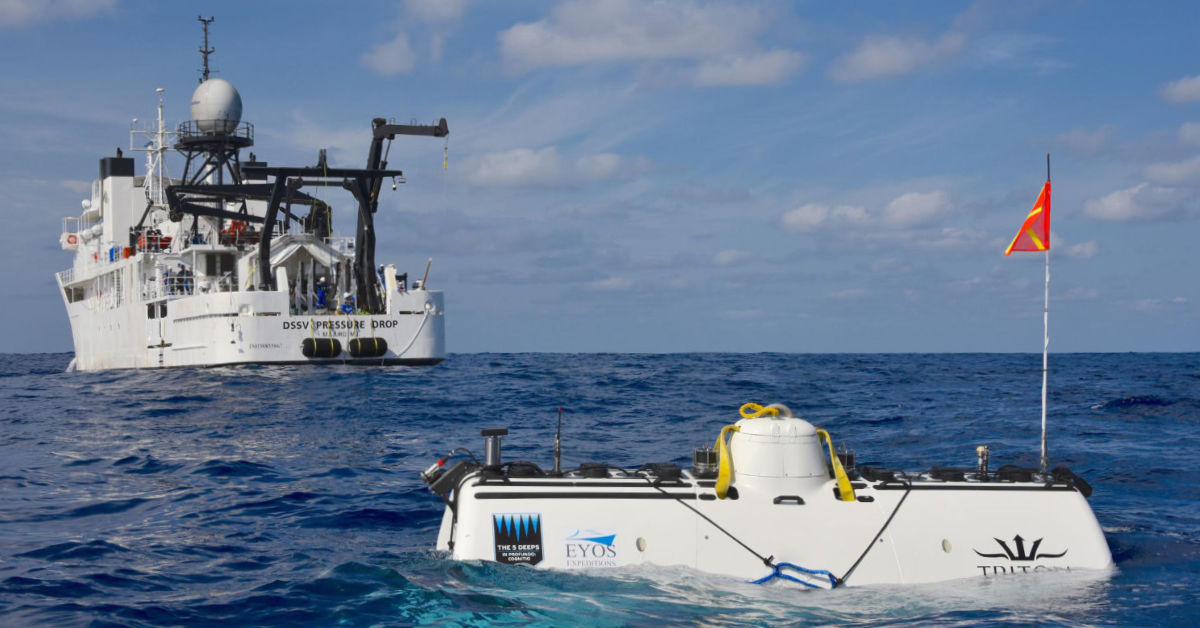
First to dive the Five Deeps
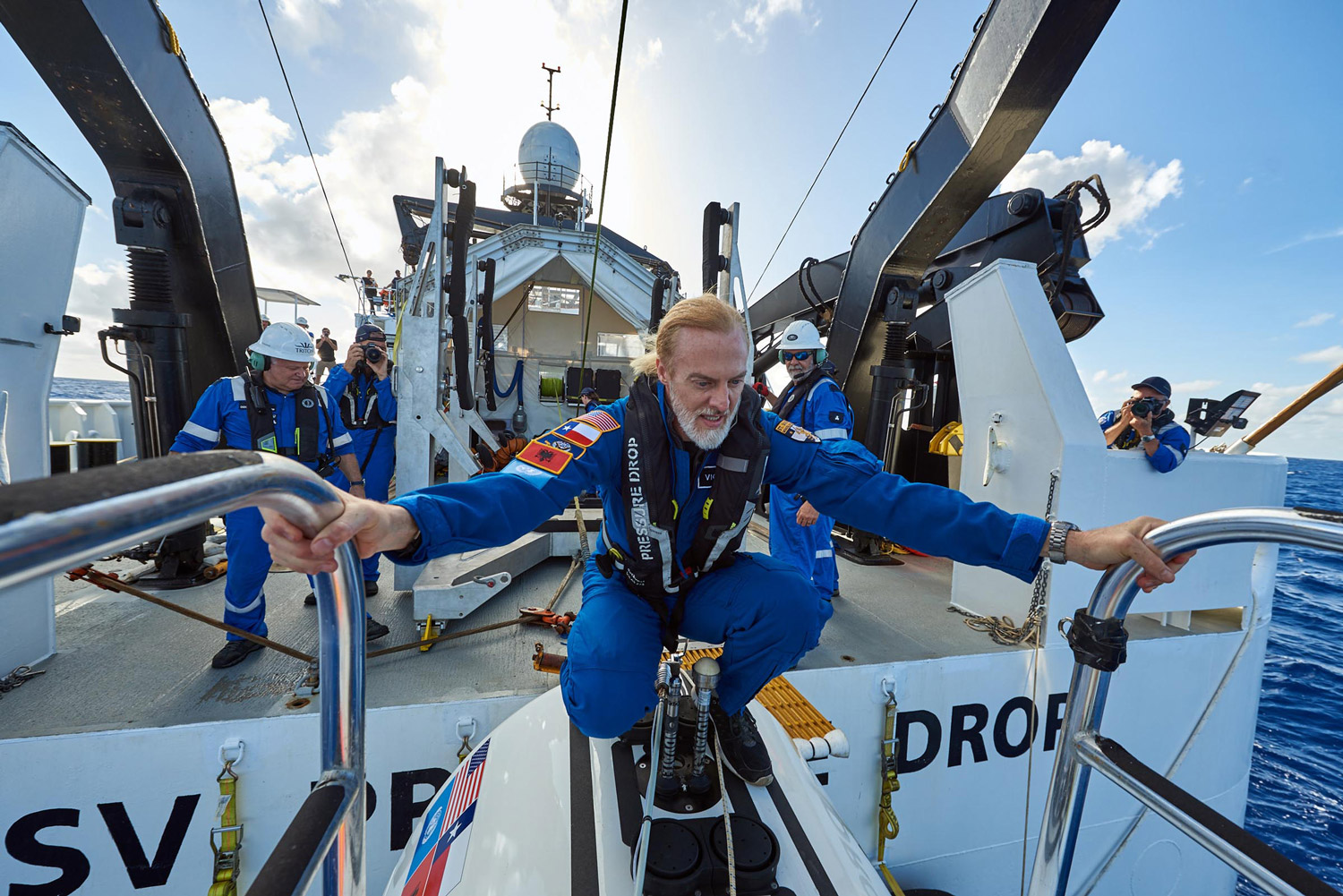
Deepest submersible dive (Solo | Men)

Deepest fish (Observed)
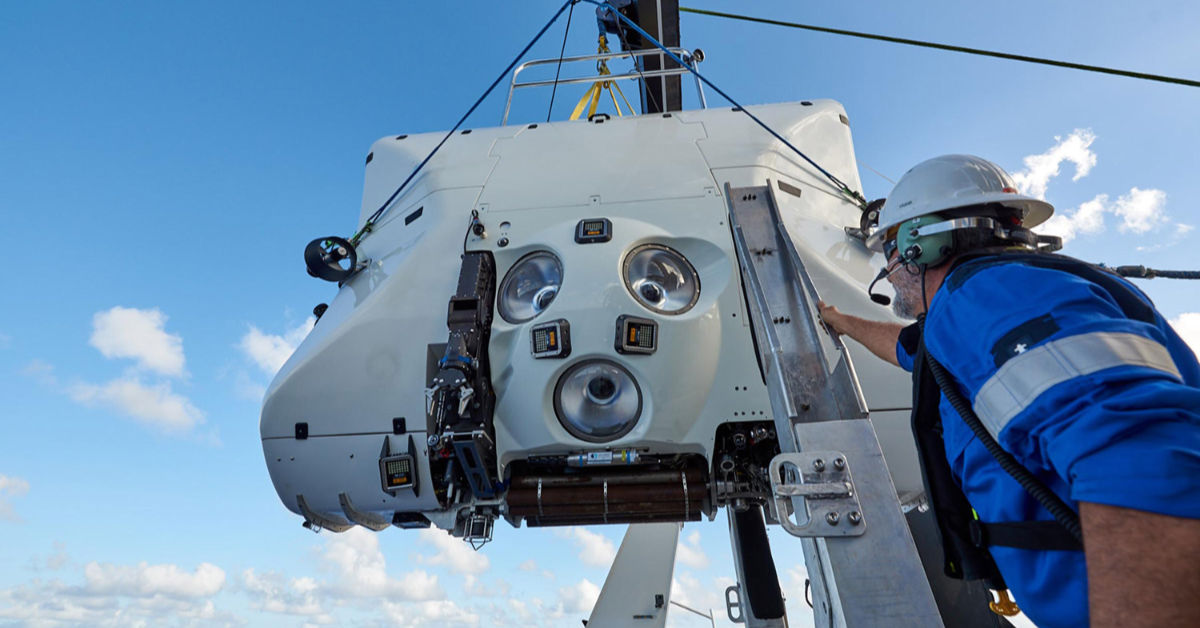
Deepest diving submersible (In service)
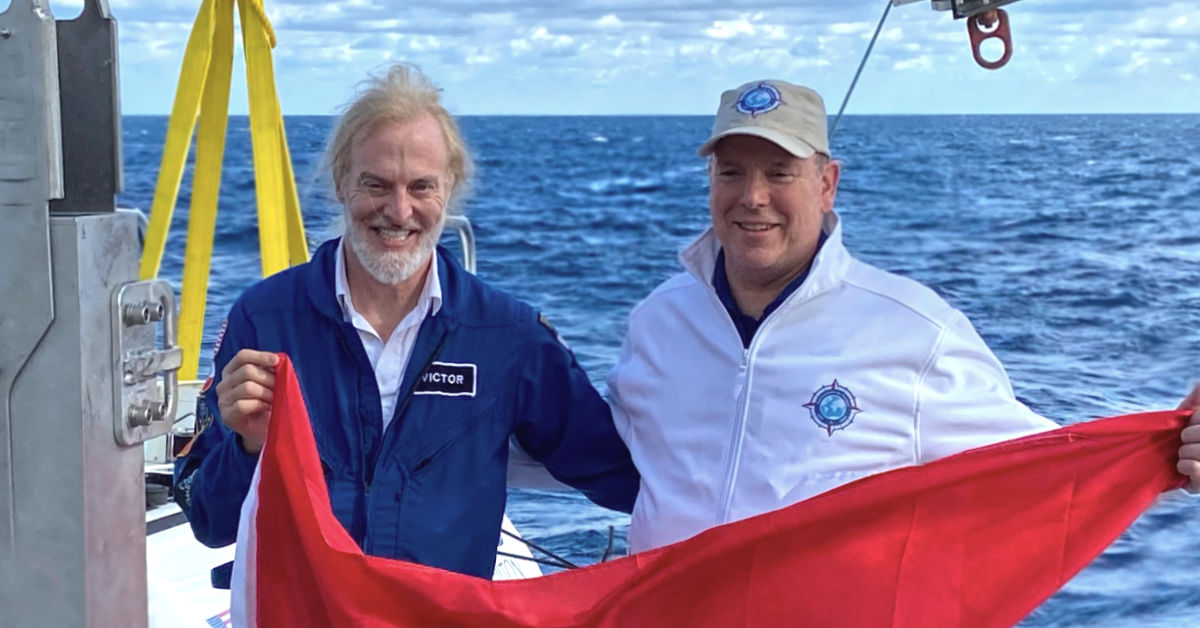
Deepest dive by a head of state
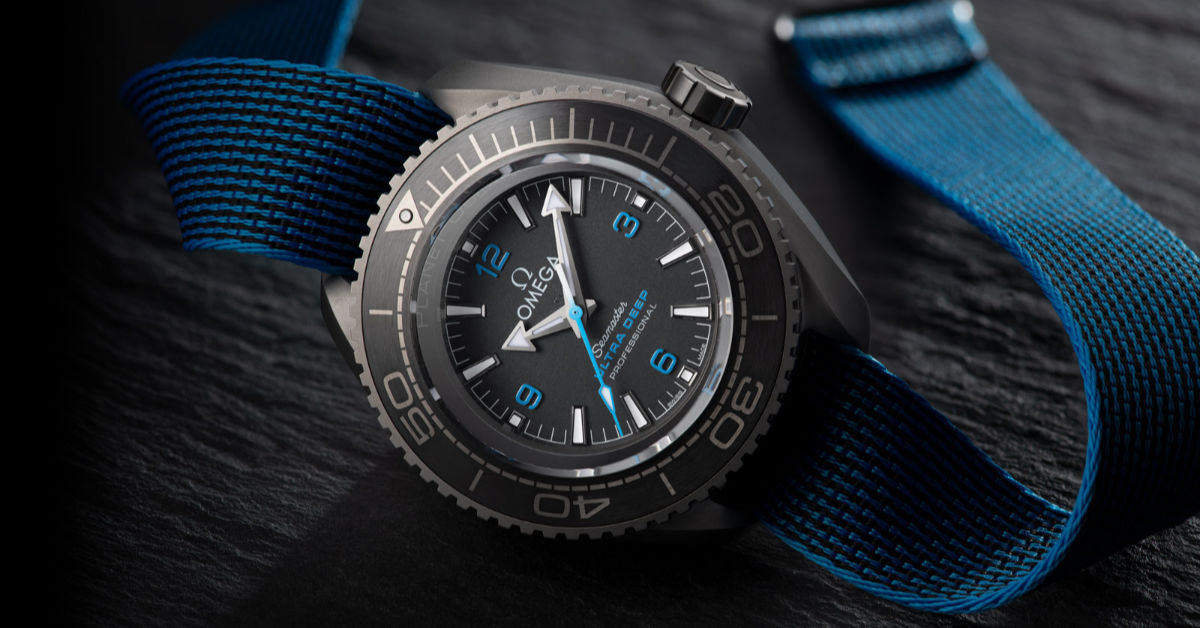
Deepest watch (Prototype)

Deepest point in Earth’s oceans
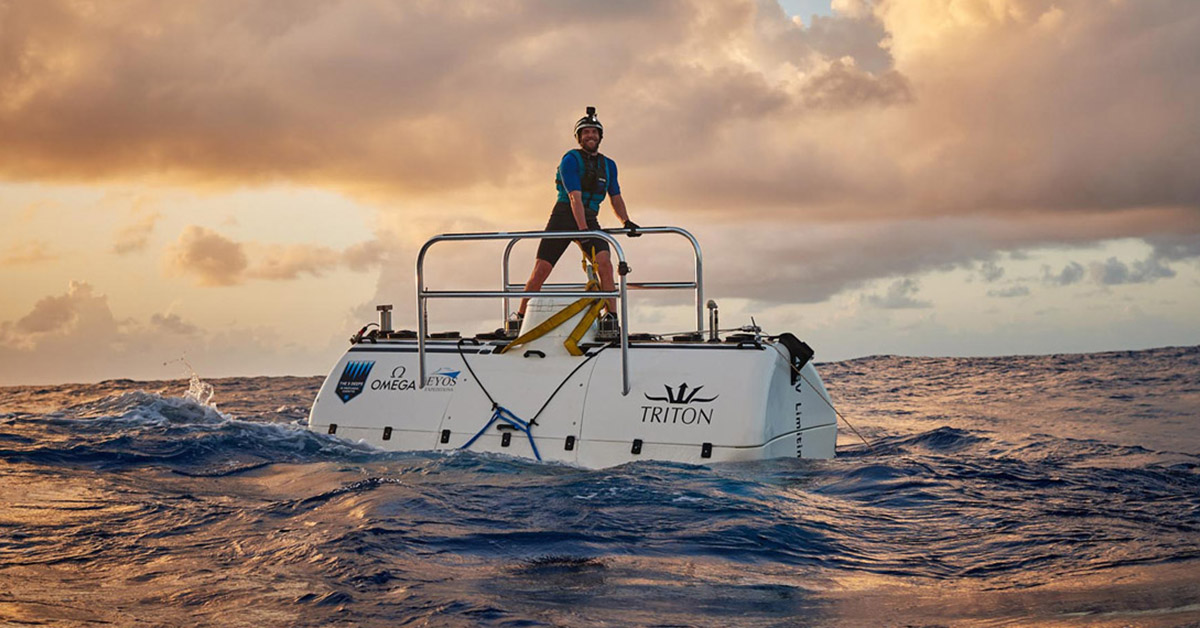
Deepest submersible dive (Ocean)

Oldest diver (Men)
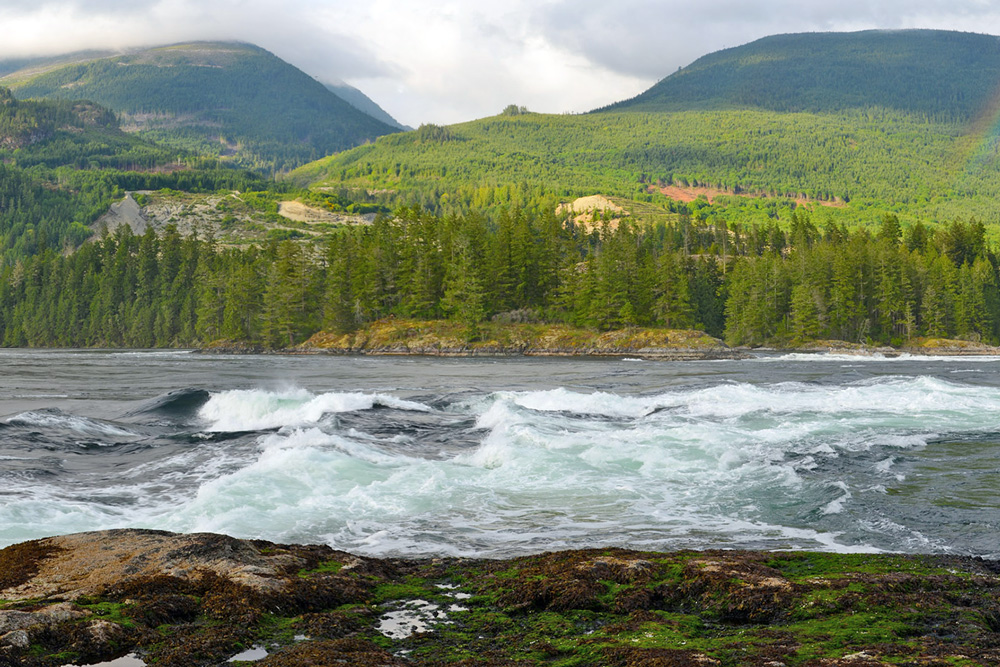
Fastest drift dive

Largest jellyfish

Deepest octopus

First documented case of hydrogen psychosis

Clearest water

First underwater colony

Most fin patents

Largest glacier calving ever filmed

First aquanaut (Men)

Longest migration (Shark)

Oldest active scuba club


Jeffrey Gallant is the Editor-in-Chief and Records Keeper of the Diving Almanac. He is also a contributing editor of DIVER Magazine, and the scientific director of the Greenland Shark and Elasmobranch Education and Research Group (GEERG). Jeffrey started diving in 1982.
